Powering the Clean Energy Transition — Safely
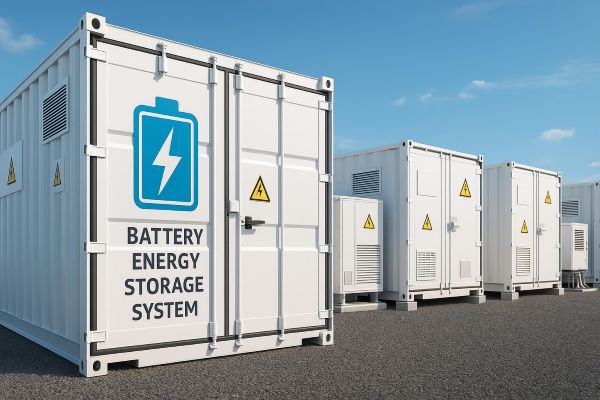
Battery Energy Storage (BESS)
Battery Energy Storage Systems (BESS) represent one of the fastest-growing cargo segments globally, driven by the worldwide shift to renewable energy. China is the world’s leading manufacturer of BESS units, and Sunya Freight HK is positioned as the specialist gateway for their international export.
BESS cargo is classified as hazardous (Lithium-ion batteries, UN3480/UN3481) and requires specialized handling, documentation, and carrier approval. Our team manages the full compliance process.
BESS Capability
-
IMDG CODE compliance for lithium-ion battery shipments
-
Carrier approval management
-
Specialized stowage and segregation planning
-
Full documentation: MSDS, DGD, Packing Certificate
-
A professional logistics team monstors the entire shipping process
Key Safety Features

THERMAL MANAGEMENT
Maintains safe operating temperature and prevents overheating.

Smoke and gas detection systems enable early warning and response.
FIRE DETECTION

VENTILATION
Ensures adequate airflow to prevent heat build-up and gas accumulation.
SECURING ARRANGEMENTS
Proper lashing and securing to prevent movement and damage.

Safe battery transport protocols
-
Comply with IMDG Code and all applicable regulations.
-
Ensure batteries are approved for transport.
-
Verify State of Charge (SoC) limits as per IMDG requirements.
-
Inspect for damage, leakage, or signs of thermal runaway risk.
-
Ensure systems are turned off or in safe transport mode.
-
Provide proper documentation and emergency information.
-
Transport only in suitably approved and compatible containers.
-
Vessels must be suitable for carriage of dangerous goods.
-
Segregate from incompatible cargo.
-
Ensure access to ventilation as per IMDG requirements.
-
Fire detection and fire-fighting systems operational.
-
Crew trained in handling lithium battery incidents.
-
Emergency procedures and communications in place.
-
Stow and segregate as per IMDG Code provisions.
-
Thermal runaway and fire risk.
-
Release of toxic gases and fumes.
-
Explosion risk in confined spaces.
-
Damage due to impact, vibration, or moisture.
-
Electrical short circuit.

Looking for the latest global market & shipping trends?
Join our global network. Subscribe to get exclusive market updates, specialized shipping insights, and corporate offers delivered straight to your inbox.